
Choose commuter headphones around comfort, awareness, bag space, and the calls you actually take.
Picture the journey from your door
A commute is rarely one uninterrupted listening session. You walk to a stop, wait near traffic, board a train, change platforms, and answer a message before reaching the office. The right headphones should make those transitions straightforward. Before comparing sound descriptions, write down the parts of your journey where your current pair becomes inconvenient. Constantly removing them to hear announcements may matter more than a slightly richer bass note. A bag that is already full also changes which case size feels reasonable.
Choose a shape you can carry every day
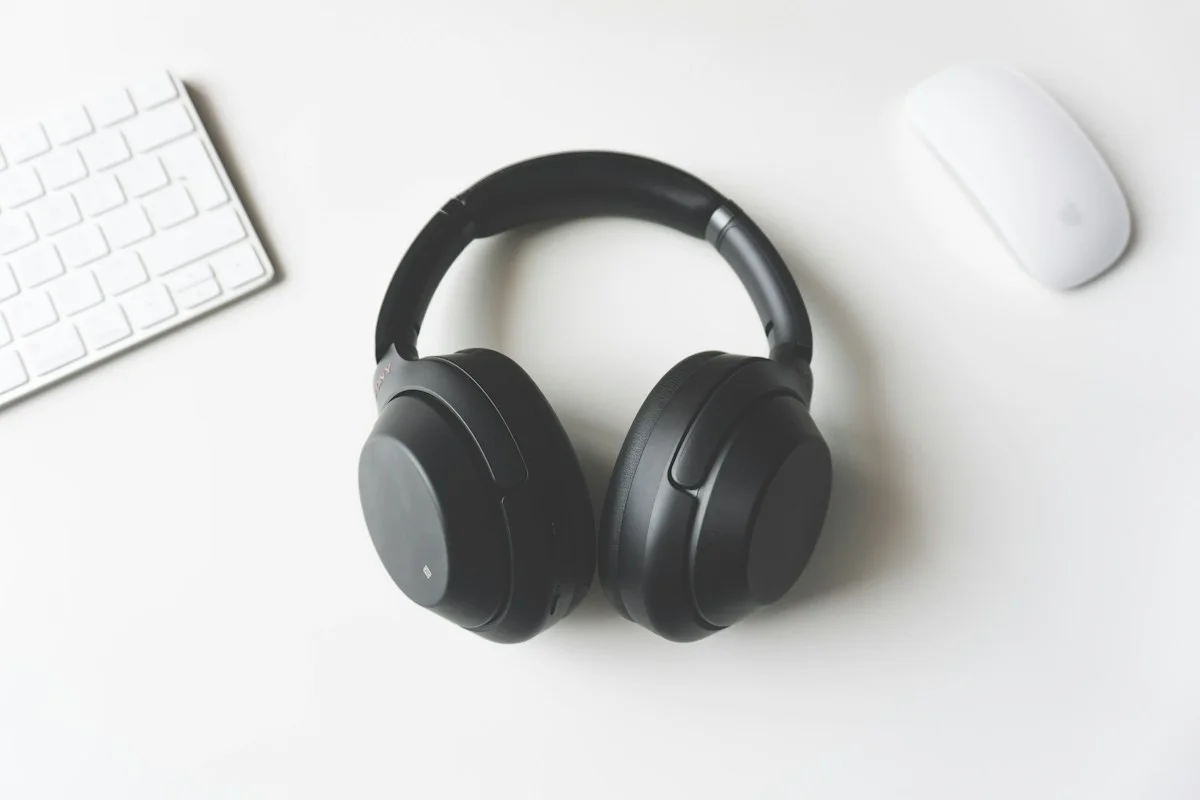
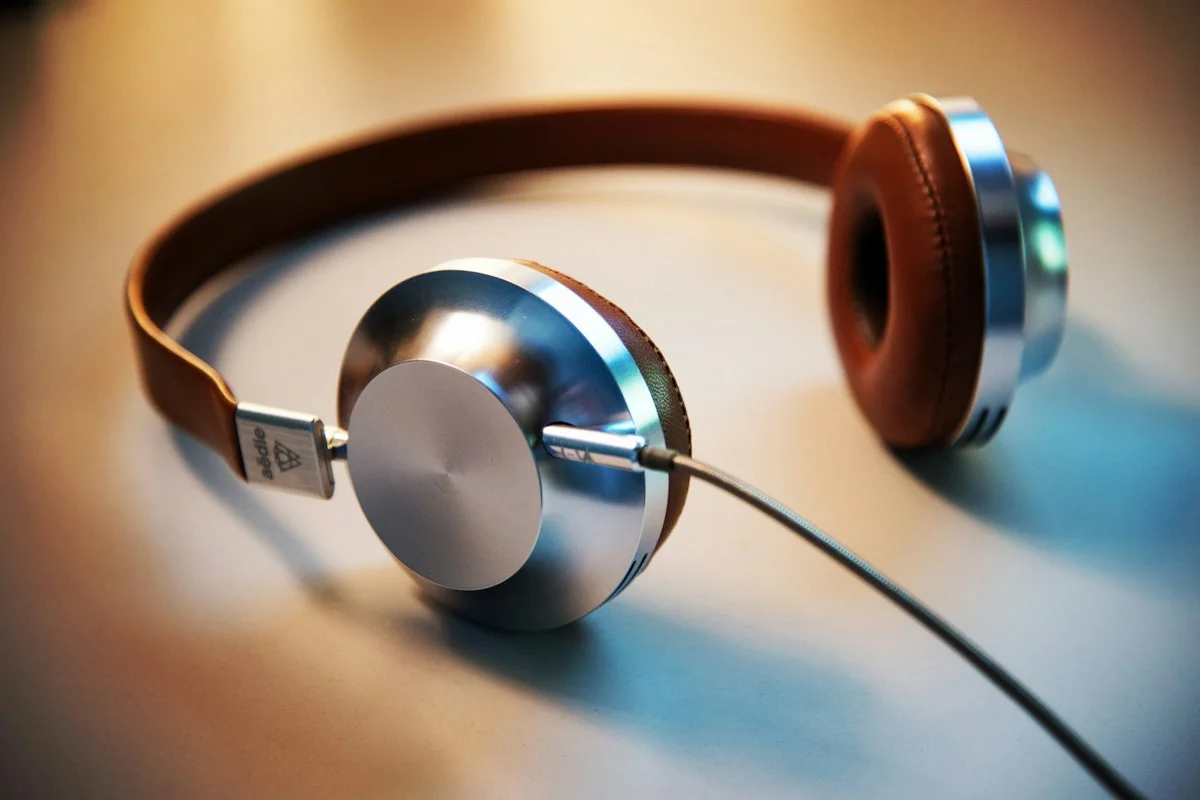
Over-ear headphones avoid placing tips inside your ears, but their headband and case take space. Earbuds usually fit a small pocket, although small individual pieces are easier to misplace during a rushed transfer. Try the physical fit before committing when possible. Glasses, earrings, and a winter hat can change comfort. A good fit on a short shop visit is only a starting point: use the return period to wear them for the length of your normal journey while following the retailer’s condition requirements.
Understand what noise control is for
Treat noise cancellation as a comfort feature, not a promise of silence. Its effectiveness changes with fit, the particular sound, and the model. Do not assume that paying more eliminates every nearby conversation or station announcement. Compare the exact manufacturer description and look for an easy way to change listening modes. At crossings, platforms, and other situations that require attention, pause playback and follow local safety guidance. A transparency feature is useful convenience, but it does not replace looking and listening to your surroundings.
Check controls with your hands occupied
Imagine holding a tote bag and rail while you need to pause a podcast. Clear buttons or predictable touch gestures can be more valuable than a lengthy feature list. Learn whether the controls can be changed in an app and whether that app supports your phone. If you wear gloves, check how the controls behave in practice. Also consider how easily you can identify left and right pieces in low light. Small recurring irritations become expensive when you encounter them twice every working day.
Budget battery life around your routine
Manufacturer playback figures use stated conditions, so read the notes about volume and enabled features. Work out your own charging habit rather than selecting the largest number. Someone who charges at a desk every afternoon has different needs from someone with several long travel days. For earbuds, distinguish playback from a single charge and additional charging stored in the case. Check the charging connector and cable supplied. Carrying one familiar cable can be more useful than gaining a feature you rarely use.
Make calls a separate requirement
Listening quality and call quality are different purchasing questions. If you regularly call from a windy platform, look for information specifically about microphone performance in that setting. A store demonstration in a quiet room will not answer it. During an allowed return period, record a voice sample and call someone from a sensible, safe location representative of your commute. Tell the other person what you are evaluating. If calls are occasional, avoid paying a substantial premium solely for a business feature you may never use.
Build a two-option shortlist
Sony’s headphone catalog and Apple’s AirPods comparison are useful official starting points, rather than evidence that every model is equally suitable. Choose one option that solves your main commuting problem and one less expensive alternative that meets the same essentials. Compare the delivered cost, return conditions, replacement tips or cushions, and warranty route. Do not add accessories until you know what is included. Buy when the comfort, size, and controls make sense together; a discount on the wrong shape is not a saving.
Run a weekday rehearsal
Put the shortlisted pair through your actual morning routine before the return deadline. Pack the case beside your lunch, find the pause control while wearing your usual coat, and check whether it is easy to store the headphones when buying a ticket. Back at home, inspect how much battery remains after your normal settings and volume. Keep a brief note of annoyances rather than trying to remember them a week later. If the headphones make an ordinary commute noticeably more complicated, reconsider the purchase even if the sound initially impressed you.
Explore the options
Compare the exact model, included accessories, return policy, and current price before buying. These links open official brand websites.
Sony headphones
Compare fit, controls, and noise-control options across the current range.
Tradeoff: Features vary by model; verify the exact listing before ordering.
Explore Sony headphones ↗Apple AirPods
Compare models if you use an iPhone and value device integration.
Tradeoff: Feature availability depends on the model, connected device, and software.
Explore Apple AirPods ↗Sources & further reading
Primary references consulted October 30, 2026. Product ranges and availability can change.
Cover photography illustrates an everyday setting and may show equipment other than the examples discussed. Read our methodology.